1 Nov 2026
Inside Specialist Workshops Where Engineers Refine Electromagnetic Shielding Techniques for Dense Multi-Console Esports Arenas
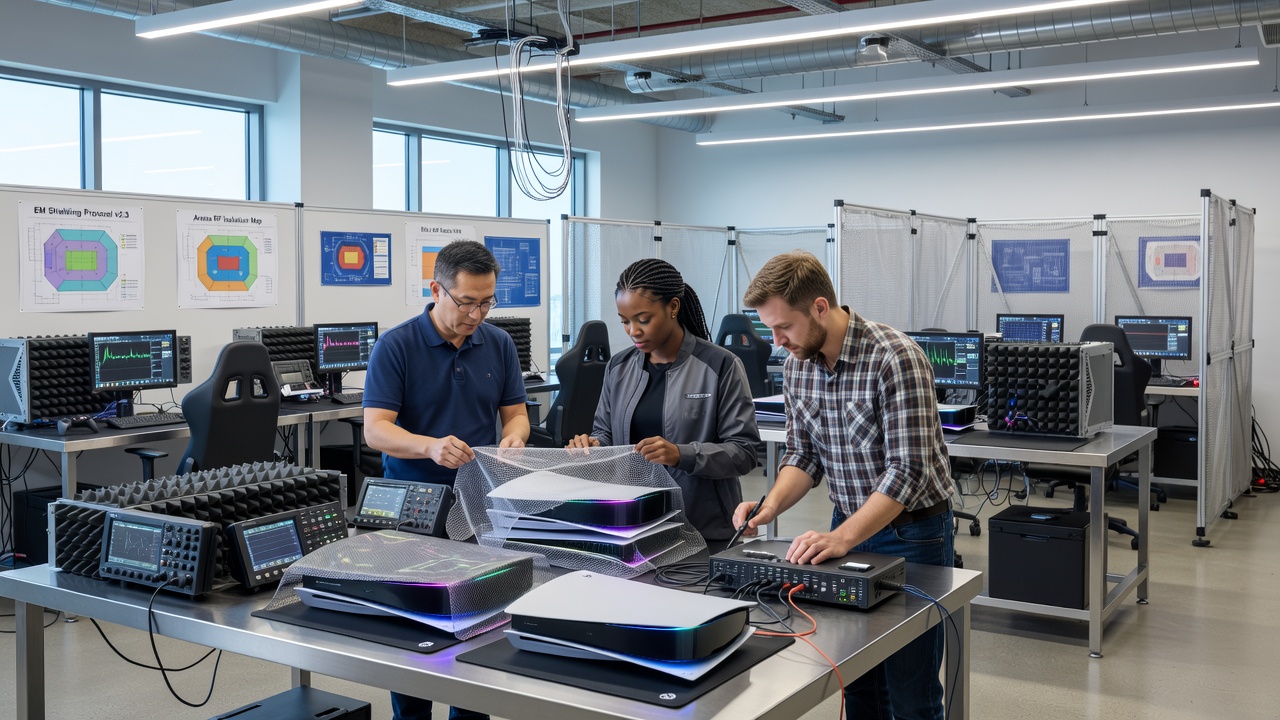
Engineers in dedicated workshops spend their days testing and improving electromagnetic shielding methods that keep signals clean when dozens of gaming consoles operate side by side in large esports venues, and they combine conductive fabrics with precision grounding networks while running spectrum analyzers to measure interference patterns that arise from overlapping wireless controllers and high-speed data lines.
Core Challenges in Multi-Console Environments
Signal overlap becomes a measurable problem once console counts exceed twenty units within a single room because each device emits its own electromagnetic fields that can disrupt nearby inputs and network connections, yet researchers have documented how even small gaps in shielding allow radio frequency noise to travel between stations and create input lag during competitive matches.
Workshops therefore focus on layered barriers that include metalized films, ferrite cores around cables, and custom enclosures built to contain emissions from HDMI ports and power supplies, and teams measure effectiveness by placing receivers at standardized distances while recording decibel levels of stray energy across the 2.4 GHz and 5 GHz bands that most wireless peripherals rely on.
Refinement Processes Inside the Workshops
Engineers start each session by mapping the physical layout of an arena floor then simulate that arrangement with rows of consoles running identical game titles at maximum load, after which they apply incremental shielding adjustments such as adding copper tape seams or repositioning ground planes until the noise floor drops below thresholds established by industry testing protocols.
One common sequence involves wrapping each console in a conductive mesh sleeve connected to a central grounding bus, followed by verification scans that confirm reductions in radiated emissions, and data collected during these trials shows consistent improvements when mesh density increases from 60 to 120 threads per inch while maintaining ventilation slots that prevent heat buildup during extended tournament sessions.
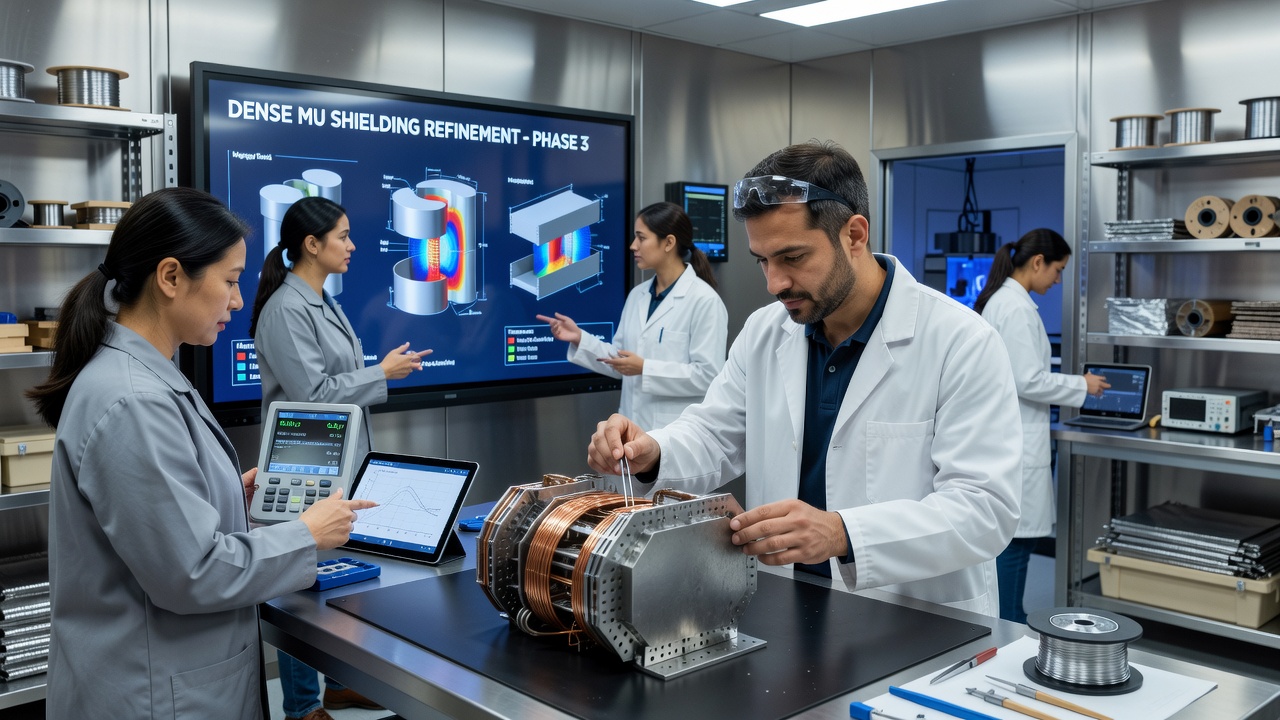
Workshops also examine cable routing because bundled power and data lines can act as antennas, so technicians separate high-current lines from signal cables and install toroidal cores at multiple points along each run, and measurements taken before and after these changes demonstrate measurable drops in conducted interference that previously affected adjacent stations.
Testing Protocols and Measurement Standards
Standardized procedures require engineers to operate all consoles simultaneously for minimum durations of four hours while logging interference events at one-second intervals, and the resulting datasets allow comparison against baseline figures collected without added shielding, and figures from repeated trials indicate that properly applied multi-layer techniques can reduce peak interference by more than 30 dB across the monitored spectrum.
Workshops coordinate with venue planners who supply floor plans and power distribution diagrams so shielding solutions fit teh actual electrical infrastructure, and this collaboration ensures that grounding points align with building codes while avoiding loops that could reintroduce noise.
Developments Scheduled for November 2026
Workshops have scheduled demonstration sessions for November 2026 that will showcase updated shielding kits designed for arenas housing over fifty consoles, and preliminary schedules list hands-on sessions where participants can observe live spectrum measurements before and after kit installation.
According to Federal Communications Commission guidance on electromagnetic compatibility, consistent application of containment methods supports reliable operation of wireless devices in shared spaces, and similar recommendations appear in reports from the Australian Communications and Media Authority that address spectrum management in high-density electronic environments.
Conclusion
Specialist workshops continue to refine electromagnetic shielding techniques through iterative testing and material adjustments that address the specific demands of dense multi-console esports arenas, and the data generated during these sessions contributes to standardized practices that maintain signal integrity across growing tournament setups.