15 Nov 2026
Pioneering Sensor Calibration Techniques in Abandoned Wireless Headset Production Lines for Sustained Multiplayer Coordination Accuracy
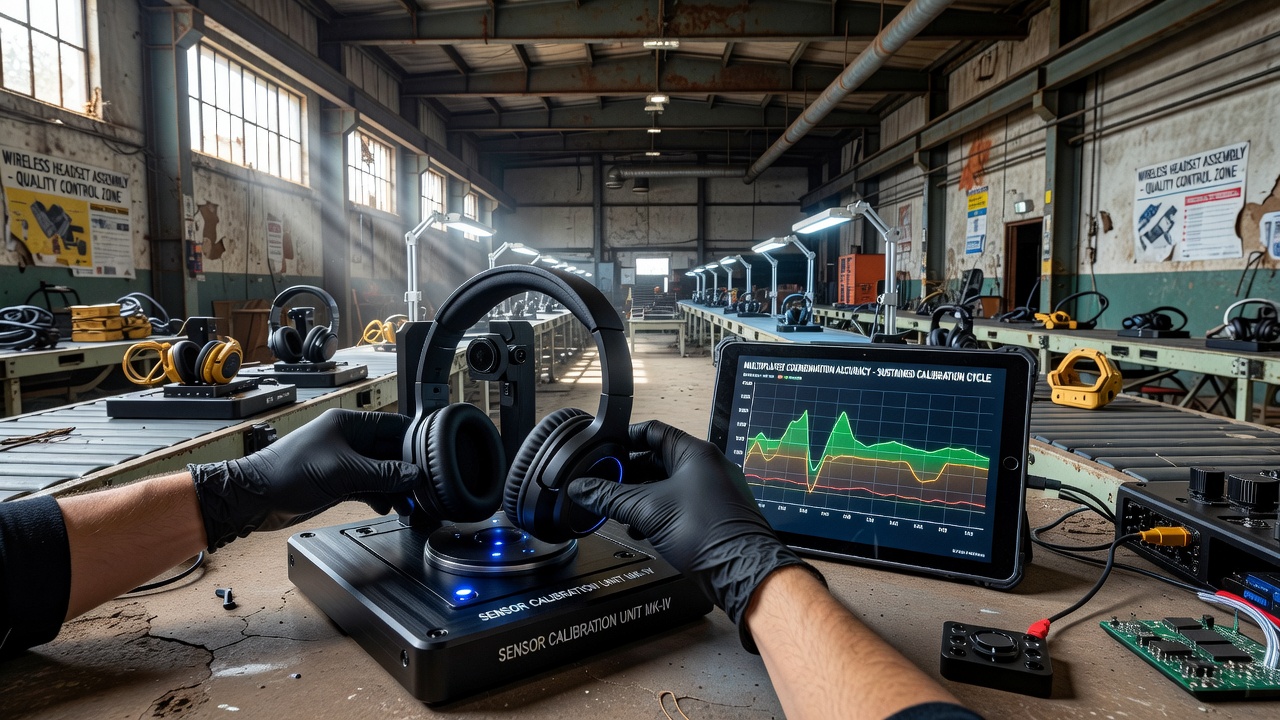
Abandoned wireless headset production lines have become sites where researchers and engineers apply advanced sensor calibration methods that support consistent performance in multiplayer gaming environments and data indicates these facilities offer large spaces with existing assembly infrastructure that allows precise adjustments to wireless transmission modules. Teams working in these locations focus on recalibrating inertial measurement units and proximity sensors so that headsets maintain accurate tracking during extended competitive sessions while legacy conveyor systems and testing benches provide stable platforms for repeated calibration cycles.
Historical Context of Wireless Headset Manufacturing Sites
Production facilities that once manufactured consumer wireless headsets began closing in the early 2020s as market demand shifted toward integrated audio solutions yet the remaining equipment includes precision alignment jigs and electromagnetic shielding chambers that prove valuable for modern calibration work. Observers note that engineers have documented how these shielded environments reduce external interference during sensor tuning procedures and this setup allows consistent results across multiple headset units. Research from the National Institute of Standards and Technology shows that controlled electromagnetic conditions improve calibration repeatability by measurable margins compared with standard laboratory spaces.
Core Calibration Procedures Applied in Repurposed Lines
Technicians begin by securing headset modules on vibration-isolated fixtures that replicate the original production tolerances then they apply automated scripts to adjust gyroscope offsets and accelerometer gains while monitoring output through high-speed data loggers. The process continues with wireless signal strength mapping across designated frequency bands so that latency variations stay within defined thresholds during simultaneous multiplayer use and calibration routines incorporate temperature cycling to verify sensor stability across operating ranges. Those who have examined the workflows report that each station performs sequential checks on magnetometer alignment followed by firmware uploads that lock the tuned parameters.
Supporting Sustained Multiplayer Coordination Accuracy
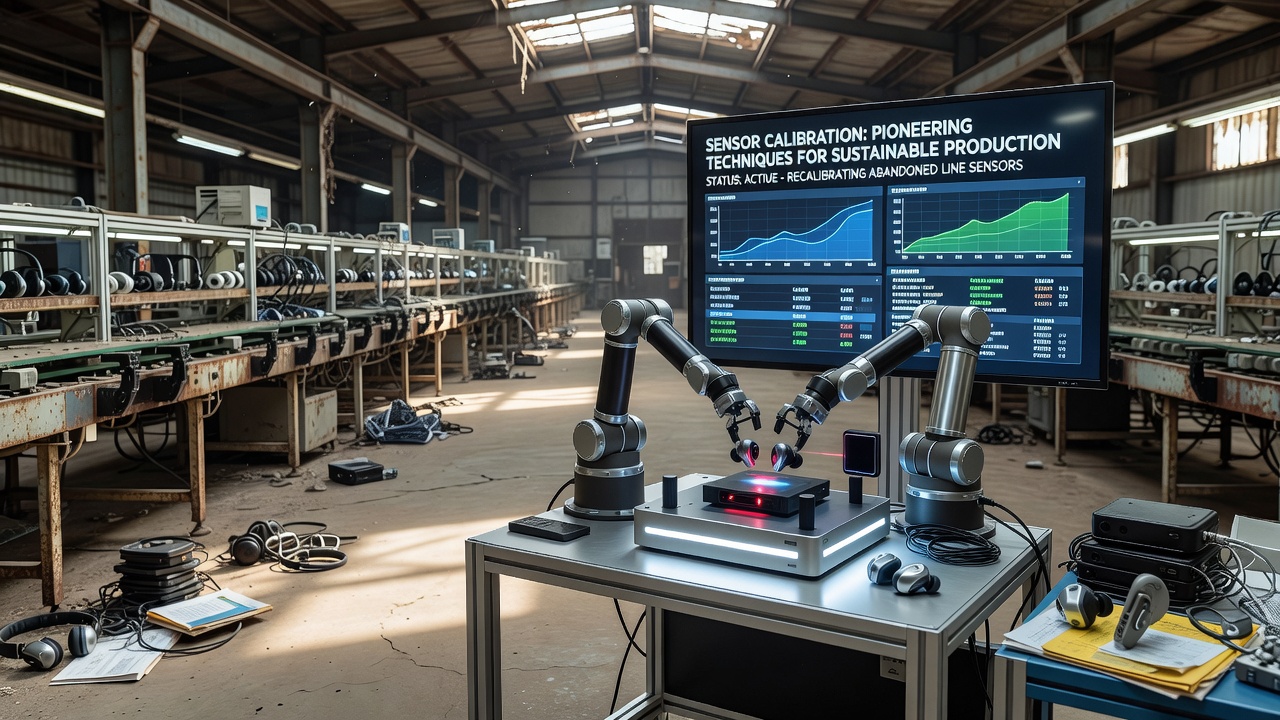
Accurate sensor data from calibrated headsets contributes to lower positional drift in virtual environments where players rely on coordinated movement tracking and studies from the European Telecommunications Standards Institute indicate that calibrated wireless links maintain synchronization across team sessions exceeding four hours. Production line layouts allow parallel processing of multiple units which increases throughput without sacrificing individual calibration precision and the abandoned facilities often retain original power distribution systems that support uninterrupted operation of sensitive test instruments. Data collected during these procedures reveals reduced packet loss rates when headsets operate in shared frequency spaces typical of esports arenas.
Case Examples from Operational Sites
One facility in the Midwest United States converted a former headset assembly hall into a calibration center in 2024 and operators there have processed several thousand units using adapted robotic arms originally designed for component placement. Another site in Australia integrated legacy environmental chambers to simulate humidity variations during testing and reports from the Australian Communications and Media Authority note that such controlled conditions help maintain compliance with spectrum regulations. Engineers at both locations share calibration datasets through open repositories which allows cross-site verification of sensor performance metrics.
Developments Expected by November 2026
Industry reports project that additional abandoned lines will receive upgrades to support higher-resolution sensor arrays and new software tools are under development to automate drift compensation algorithms. Figures from ongoing trials suggest that updated calibration sequences could further tighten timing consistency across wireless channels used in team-based competitions and regulatory bodies continue to evaluate these methods for potential standardization guidelines. Expansion plans include integration of machine learning models trained on historical production data to predict sensor behavior under load.
Conclusion
Repurposed wireless headset production lines now serve as specialized environments for sensor calibration that support reliable multiplayer coordination in competitive gaming and the techniques developed there combine legacy manufacturing assets with contemporary measurement protocols. Continued documentation of performance data will inform future refinements while geographic distribution of these sites provides access to varied regulatory frameworks and technical expertise.